
The Cult’s View of Offering
Ofrenda a la tormentaThe cult’s ideology turns murder into a debt, disguises it as spiritual exchange, and gives the perpetrators a language for cruelty.
increasing Bearing strength in each event
 decreasing
Bearing strength in each eventdecreasingFolk Language of Inguma
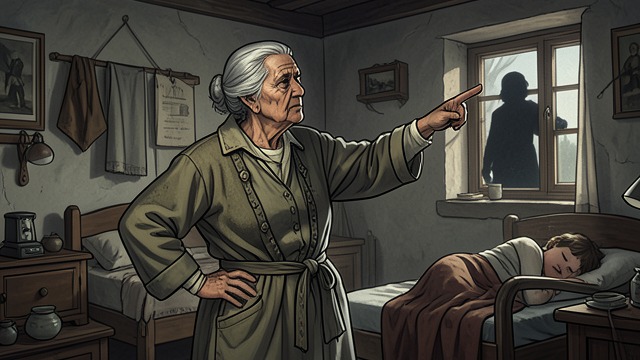
Folk Language of Inguma
A local explanation
An elderly relative describes Inguma as a being that enters at night and steals a sleeper’s breath. Her account echoes a long tradition of explanations for suffocation and sudden infant death.
Myth and material facts
Amaia does not accept folklore as a substitute for forensic evidence. Yet the language foreshadows the group’s deliberate imitation of the demon’s supposed method.
The Promise of Power
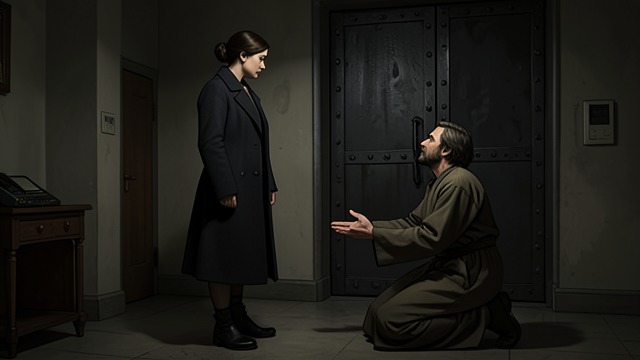
The Promise of Power
A bargain with forces
The witness recalls Tabese teaching that offerings could secure money, health, revenge, or protection. Animal sacrifices came first, then a human child became the supposed price of a greater favor.
Belief with consequences
The novel treats belief as a force capable of organizing real actions, not as proof that supernatural beings exist. The promised reward gives murder a rationale to its perpetrators.
The Unfinished Debt
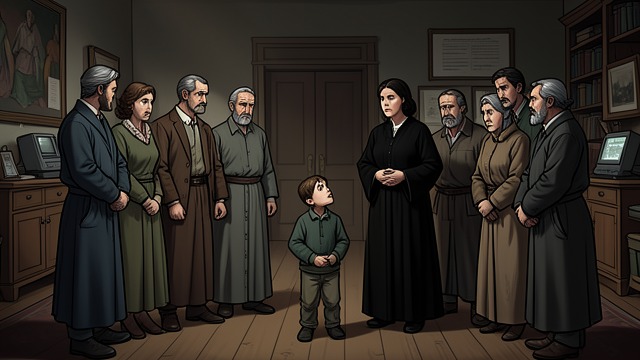
The Unfinished Debt
No member escapes
The witness says that former members remain bound by an unpaid obligation. Even after they leave, the group may return to demand an offering.
A structure of coercion
This belief explains why people continue participating after years have passed. Fear of consequences replaces consent and gives the group a means of controlling its members.
The Ritual’s Rules
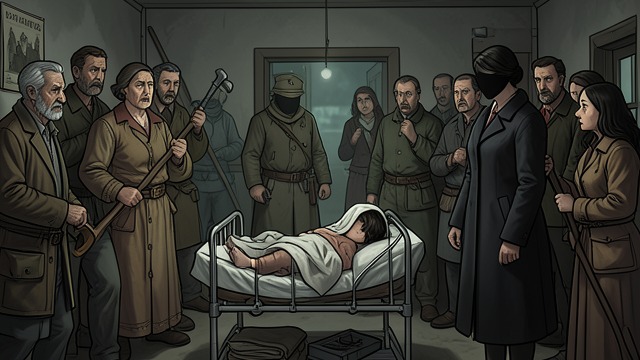
The Ritual’s Rules
Eligibility and method
The witness describes an unbaptized girl under two, killed by suffocation and then removed to complete the offering. The group claims that infancy gives the child’s soul special value.
A procedure disguised as faith
Its rules make the crime appear purposeful to insiders and difficult to detect from outside. Ritual language does not change the act’s legal and human reality: a child is murdered.
A Tomb Full of Children
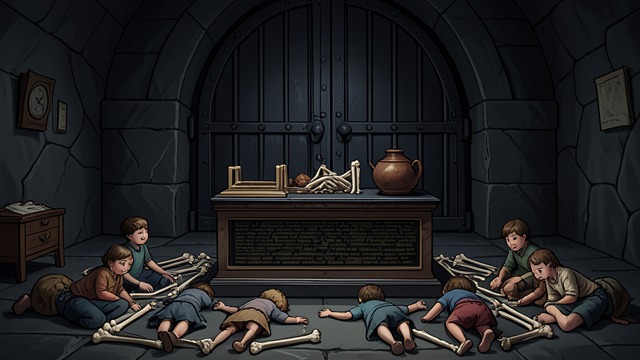
A Tomb Full of Children
The claimed offering exposed
Amaia finds children’s remains arranged around the Tabese coffin. The crypt turns the group’s ideas into a material record of repeated deaths and concealment.
Belief cannot absolve
Markina calls the killings a price paid for extraordinary rewards. Amaia names them as murder, rejecting the language that makes victims seem like voluntary gifts.
during the first baby investigation
the protected witness’s account
after Yáñez’s confession
during Amaia’s briefing to the team
at the climax
